

Designing High-Performance Mobile and Web Applications
Keywords : mobile app development, web application development, high-performance applications, user experience design
- Author: Jessica Brown
- Published On: September 27, 2025
Introduction
In an era where attention spans are measured in seconds, the technical execution of your digital platforms defines your brand. Modern web and mobile applications must be more than just functional; they require high performance, smooth UX, and a scalable architecture to meet the rigorous demands of enterprise users. Whether it’s a customer-facing app or an internal enterprise tool, speed and usability are the primary drivers of adoption and long-term success.
Elevating the Digital Experience
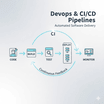
Adopting DevOps and robust CI/CD pipelines offers a multitude of strategic advantages:
- Optimized Performance: Fast load times and instant interactivity are non-negotiable. By optimizing assets, leveraging edge computing, and utilizing efficient state management, applications remain fast, responsive, and reliable across all devices and network conditions.
- User-Centric Design: Beyond aesthetics, great design focuses on the user's journey. Clean, intuitive, and engaging interfaces reduce the "cognitive load" on users, making complex enterprise tasks feel simple and direct.
- Scalable Architecture: A high-performance app is built to grow. By using modular frameworks and API-first designs, your frontend is always ready for microservices, cloud migration, and AI integration without requiring a total rewrite.
- Reduced Maintenance: Automation reduces the chance of human error during repetitive tasks like configuration and deployment. Comprehensive automated testing (unit, integration, performance, security) within the pipeline catches bugs early, ensuring consistent performance and a more stable product.
- Enhanced Collaboration & Communication:
High-quality, modular code is easier to debug and update. By following industry best practices and design systems, enterprises can significantly lower long-term maintenance costs and technical
The Core Pillars of Modern Development
To achieve high performance, development teams must focus on three technical pillars:
- 1. The Power of "Performance Budgeting" High performance doesn't happen by accident. Successful teams implement a "performance budget," setting strict limits on file sizes, API response times, and "Time to Interactive" (TTI). This ensures that as new features are added, the app remains lean and fast.
- 2. Seamless Cross-Platform Consistency Whether a user is on a 27-inch desktop monitor or a 6-inch smartphone, the experience must be seamless. Utilizing modern frameworks like React, Flutter, or Next.js allows for code reusability while ensuring the interface feels native to the specific device.
- 3. UX Psychology and Accessibility Performance is also perceived. We use techniques like skeleton screens and optimistic UI updates to make applications feel faster than they actually are. Furthermore, ensuring 100% accessibility (WCAG compliance) ensures that the application is usable by everyone, regardless of their physical abilities or hardware.
Driving Business Efficiency through Design
Ultimately, high-performance apps are business tools. They improve employee productivity, drive customer adoption, and enhance overall business efficiency. By prioritizing a fast, user-centric approach today, enterprises build a foundation that is not only powerful for current needs but is also adaptable for the innovations of tomorrow.